Heated Tobacco Explained: How Heat-Not-Burn Works and What We Know
A cigarette and a heated-tobacco stick both contain tobacco, and both deliver nicotine. The difference is what happens to the tobacco. One is set alight; the other is warmed. That single change has real consequences for smoke, ash and some chemical levels, and it leaves other questions unanswered. This explainer goes through both sides.
Burning versus heating
When you light a cigarette, the tip burns. Combustion at that heat breaks tobacco down into smoke, which is a mix of gases and tiny particles, and leaves ash behind. Many of the harmful chemicals in cigarette smoke are formed by that burning.
Heated tobacco, often called heat-not-burn, warms the tobacco to a lower temperature: hot enough to release nicotine and flavour in an aerosol, not hot enough to set it alight. No flame, no glowing tip, no ash.
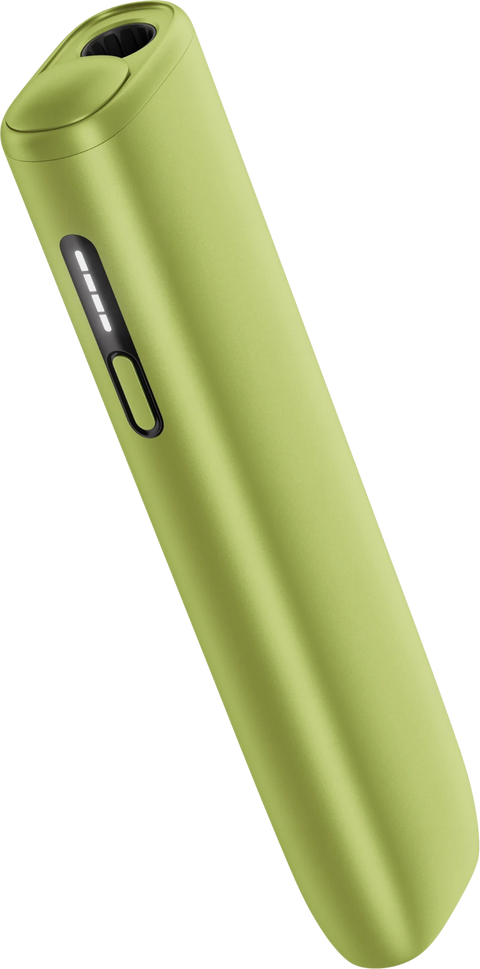
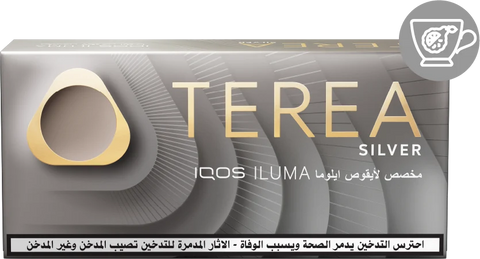
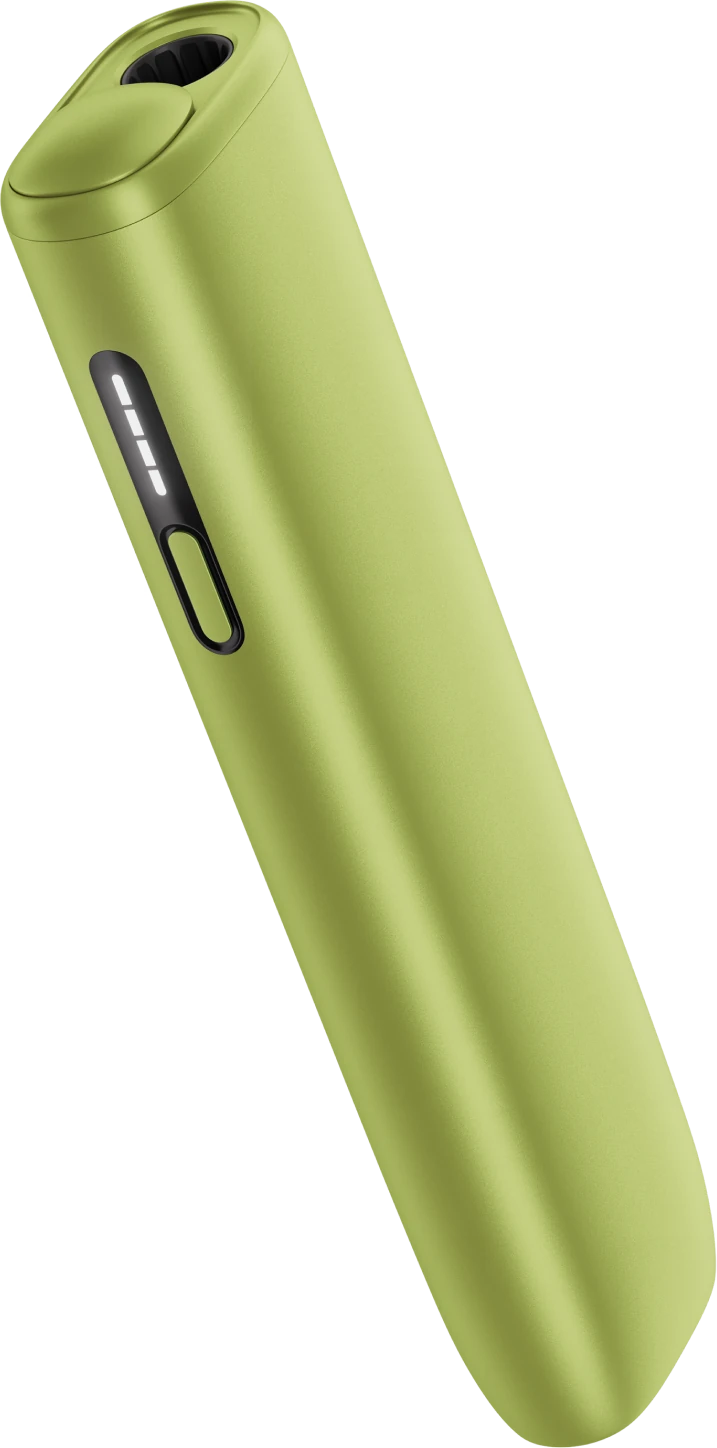
Different devices heat in different ways. Older IQOS devices pushed a heating blade into the stick. The ILUMA family, including the ILUMA i ONE, uses induction: each TEREA stick contains a sealed metal element, and a coil in the device heats that element from the inside of the stick outward. That's why ILUMA has no blade to clean.
Aerosol is not smoke, but it isn't clean air
What you inhale from a heated stick is an aerosol: droplets and vapour carrying nicotine, water and other compounds released from the heated tobacco. It doesn't hang in a room the way smoke does, and the smell is different and fades faster.
"Not smoke" doesn't mean "nothing". The aerosol contains nicotine and other chemicals, and people around you breathe some of it. Treat it with the same consideration you'd give smoke.
What studies have measured
Researchers have compared the aerosol from heated tobacco with cigarette smoke in the lab, and have measured markers of exposure in the bodies of people who switch. Studies, including Philip Morris's own and some independent ones, have found much lower levels of many harmful chemicals in the aerosol than in cigarette smoke. People who switch completely show reduced exposure to those chemicals.
Two cautions sit alongside that:
- Exposure is not the same as risk. Lower levels of chemicals have not been shown to mean a lower risk of cancer, heart disease or lung disease. That kind of evidence takes years of follow-up.
- Not every chemical is lower. WHO notes that some toxins are present at higher levels in heated-tobacco aerosol than in cigarette smoke.
The FDA's 2020 order, read carefully
In July 2020 the US FDA authorised an earlier IQOS system to be marketed as a "modified risk tobacco product". The FDA's listing of the IQOS orders names the IQOS 2.4 holder and charger with its sticks, and quotes the permitted wording: that the system heats tobacco but does not burn it, that this significantly reduces the production of harmful and potentially harmful chemicals, and that switching completely from cigarettes significantly reduces your body's exposure to them.
What the order did not do matters as much:
- It was a reduced-exposure order only. The FDA did not authorise any claim that IQOS reduces the risk of disease.
- It is not a safety finding. IQOS remains a tobacco product that is not risk-free.
- It covered that earlier system. It was not an order about ILUMA.
WHO's position
In a statement responding to the FDA decision, WHO said heated tobacco products are tobacco products, that all tobacco products pose risks to health, and that reducing exposure to harmful chemicals does not render them harmless or translate into reduced risk to human health. For quitting, WHO recommends proven support such as advice from health professionals, quit lines and nicotine replacement therapy. Heated tobacco is not on that list.
What is still unknown
- Long-term health outcomes. Heated tobacco has not been in wide use long enough for decades-long studies of disease.
- Dual use. Many people use heated tobacco and still smoke some cigarettes. The exposure reduction in studies applies to switching completely; using both keeps you exposed to smoke.
- Bystander effects over time. Second-hand aerosol has been measured, but its long-term effect on others isn't well understood.
- Independent replication. Much of the early data came from the manufacturer. Independent research is growing but is still catching up.
Where this leaves a smoker
| Option | Where it stands |
|---|---|
| Quitting nicotine completely | The best outcome for health, with free support available in India |
| Medically approved NRT or prescription medicine | Proven quit aids; NRT is sold in pharmacies, medicines need a doctor |
| Switching completely to heated tobacco | Reduces exposure to many harmful chemicals; not risk-free, still addictive, not a quit aid |
| Using both cigarettes and heated tobacco | Keeps you exposed to smoke; no meaningful exposure reduction |
| Continuing to smoke | The highest exposure of all |
If you're thinking about stopping, start with our quit-smoking guide. If you're an adult who will keep using nicotine and want to understand the device itself, the IQOS in India overview and the ILUMA i ONE page cover the details.
Questions
Does heated tobacco produce smoke?
No. It produces an aerosol rather than smoke because the tobacco is heated, not burned. The aerosol still contains nicotine and other chemicals.
What exactly did the FDA authorise in 2020?
It authorised an earlier IQOS system to be marketed with reduced-exposure information only. It did not authorise any reduced-risk claim, and the order was not about ILUMA.
Does heated tobacco lower the risk of disease?
That has not been shown. Switching completely reduces exposure to many harmful chemicals, but lower exposure has not been proven to mean lower disease risk, and it is not risk-free.
Can heated tobacco help me quit?
It is not a quit aid. WHO recommends quitting with proven support such as quit lines and nicotine replacement therapy.